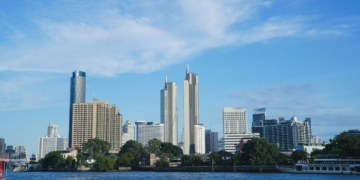


Da Nang has long been one of Vietnam’s best known coastal destinations, but in 2026 the city is attracting a new wave of attention from digital nomads, founders, and remote workers.
Discussions on X, alongside recent reports from Forbes and Business Insider, suggest the city is increasingly becoming a preferred base for people seeking affordable living, strong internet infrastructure, and easy access to beaches.
Remote Workers Are Looking Beyond Traditional Hubs
For years, destinations such as Bali, Bangkok, and Chiang Mai dominated conversations about remote work in Southeast Asia. While those cities remain popular, many travelers on X say Da Nang offers a compelling alternative, combining lower living costs with a growing international community and a more relaxed atmosphere.
Recent rankings from Nomads.com identified Da Nang as one of the fastest growing digital nomad destinations globally.
Supporters point to affordable accommodation, an expanding coworking scene, and a café culture that is well suited to remote work.
Productivity and Lifestyle Drive Interest
Many digital nomads describe Da Nang as a city where productivity and lifestyle are easier to balance. The combination of beaches, mountain views, modern apartments, and reliable internet has helped fuel its appeal among startup founders, freelancers, and online creators.
Business Insider recently highlighted how local businesses are adapting to rising demand from remote workers, with new coworking spaces and community events appearing across the city.
Posts on X frequently mention networking opportunities, founder meetups, sports activities, and community gatherings that help newcomers connect quickly.
Challenges Remain
The growing attention has not come without criticism. Traffic congestion, noise from scooters, and difficulties finding high quality short term rentals are common complaints.
Some long term residents also warn that rising popularity could put pressure on housing costs and local infrastructure.
Others point to concerns about tourist behavior and whether Vietnam could eventually face some of the same challenges experienced in parts of Thailand and Indonesia as remote worker communities expand.