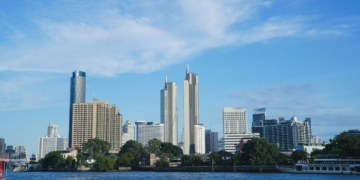


Digital nomads are not abandoning established hubs such as Lisbon, Bali and Bangkok, but their preferences are shifting toward destinations that offer a better balance of affordability, infrastructure and quality of life.
Uluwatu and Vietnam Lead the Fastest-Growing Destinations
Uluwatu in Bali is the fastest-growing digital nomad destination of 2026, with check-ins up 93% during the first eight months of the year, according to Nomads.com.
The area is increasingly attracting remote workers seeking Bali’s beaches, cafés and wellness scene without basing themselves in more crowded hubs such as Canggu.
Vietnam is also gaining momentum. Hoi An recorded 83% growth, while Da Nang rose 68%. Da Nang stands out as a longer-term trend, having posted strong growth for several consecutive years.
Da Nang Emerges as a Long-Stay Alternative
Da Nang’s appeal includes affordable accommodation, beaches, an international airport, coworking spaces and the infrastructure of a larger city.
Typical monthly living costs are estimated at around $900 to $1,400, making it attractive for remote workers planning longer stays.
Rising Costs Put Pressure on Established Hubs
Lisbon remains popular, but one-bedroom rents of roughly €1,200 to €1,600 a month have weakened its reputation as an affordable remote-work base.
In Bali, growth appears to be spreading beyond traditional nomad centers rather than disappearing.
European Alternatives Gain Ground
Valencia offers Mediterranean weather, beaches and strong infrastructure, while Porto provides many of Lisbon’s attractions in a smaller urban setting. Tallinn, which recorded 65% growth in Nomads.com check-ins, also highlights growing interest in Northern and Eastern Europe.
Digital Nomads Are Prioritizing Value
The trend is not simply about replacing famous hubs. Bangkok remains Nomads.com’s highest-ranked destination overall and grew 39% this year.
Instead, remote workers increasingly appear to be prioritizing reliable internet, affordable long-term housing, community and quality of life.