

Digital nomads are still flocking to major global hubs in 2026, but a clear shift is taking place.
Travelers are increasingly looking beyond the most famous destinations for better value, less crowding and a stronger quality of life.
According to 2026 data from Nomads.com, Bangkok is the world’s most-visited city by digital nomads, accounting for 2.22% of 423,694 tracked trips. London is close behind at 2.19%, followed by Barcelona, New York City, Paris and Lisbon.
Bangkok’s popularity is not surprising. Relatively low living costs, excellent food, strong infrastructure and Thailand’s Destination Thailand Visa make the city attractive to remote workers.
Smaller cities are becoming digital nomad hotspots
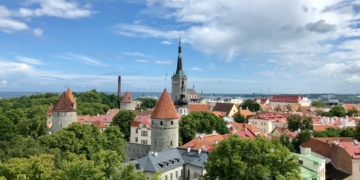
Uluwatu in Bali leads the 2026 growth rankings, with digital nomad activity rising by about 98%. Hoi An follows at 85%, while Stockholm, Da Nang and Tallinn also recorded strong increases.
These numbers tell a different story from the overall visitor rankings. A smaller destination can grow rapidly without matching the huge visitor numbers of Bangkok or London.
Quality rankings also highlight this shift. Nomad Watch places Chiang Mai first, followed by Taipei and Bangkok. Bucharest, Tallinn, Lisbon and Valencia also score highly.
Rising costs are changing where nomads go
Rising rents and overcrowding are pushing some remote workers away from established hotspots such as Lisbon, Barcelona and Bali’s Canggu.
Valencia is emerging as a particularly attractive alternative. It combines beaches, reliable internet and a Mediterranean lifestyle with lower costs than many major Spanish and Portuguese hubs.
Porto is also gaining attention as a quieter alternative to Lisbon.
Meanwhile, cities such as Da Nang, Hoi An and Bucharest offer a similar combination of infrastructure, community and affordability.